
Section menu
Community

Category menu
For Amy: The Book We Wish We'd Had
 Posted Thu 30th Jul 2026 at 09:15
by Matt Cook

Share
The story behind the TS comic
When Tourettes Action asked me to write this blog I should not have felt as daunted as I did, or taken as long to write it as I did. I am, after all, a professional writer. One who has just recently written the educational resource Getting Your Head Around Tourette’s, which is now available on the TA website.
No big deal, I thought. I’ll have that done in a day or two, I thought…
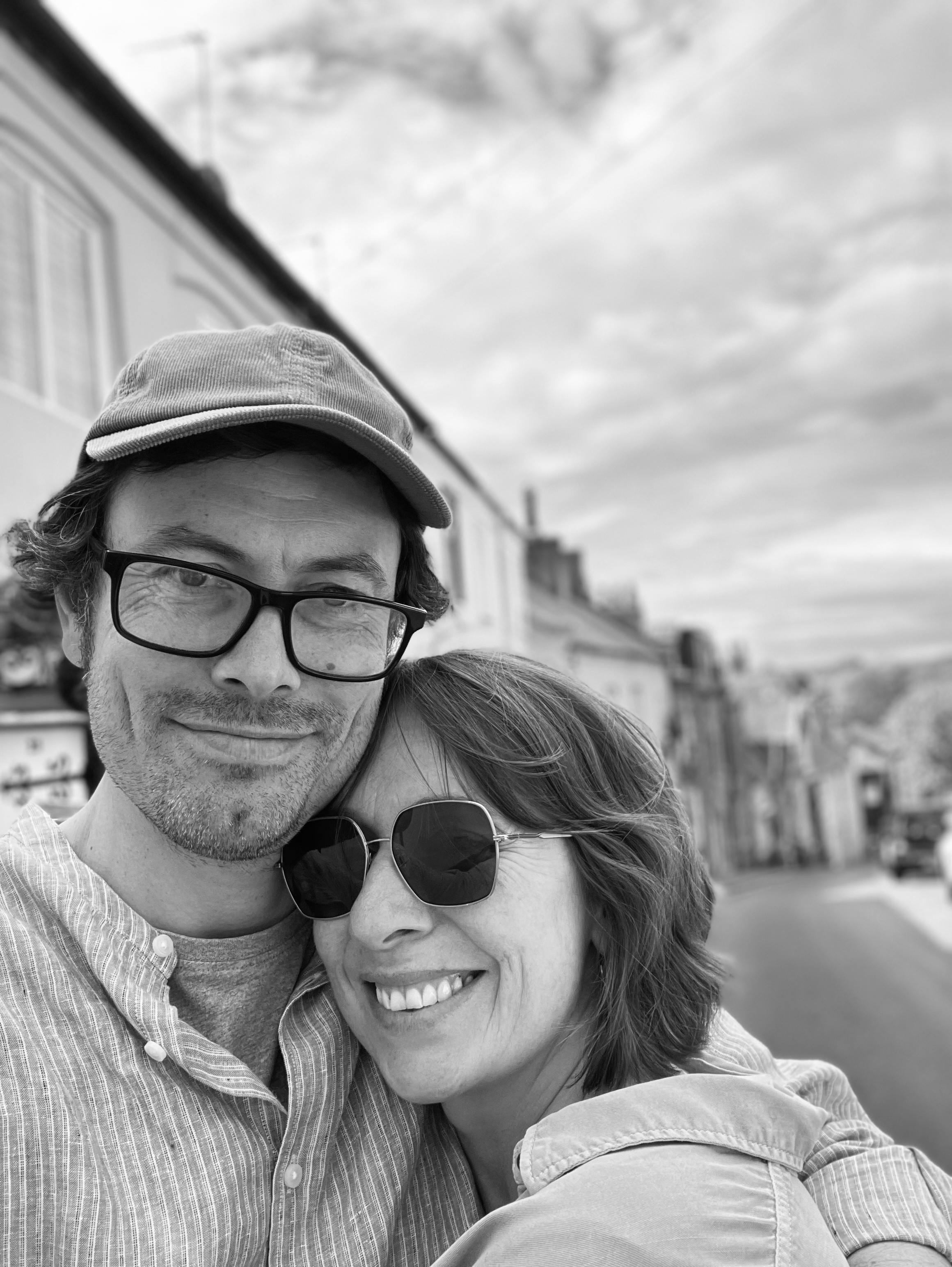
A month later I’m finally sitting down, and I understand where my apprehension is coming from. It’s because I’m not really writing it for the lovely team at TA. I’m writing it for my wife Amy. Or, more accurately, her 8-year-old self.
Getting Your Head Around Tourette’s has arrived 38 years too late for her. But, as with so many things in life, better late than never.
Amy is the most beautiful, talented, funny and courageous person I know. She’s a brilliant mother, a wonderful artist, a fiercely loyal and empathetic friend. Her Tourette’s diagnosis was messy, late and indelicately handled by a number of professionals. By the time she reached university and we first met, the challenges and trauma of those early years were buried under an array of coping strategies, the most important being that Tourette’s was best treated as a kind of gremlin. An unpleasant little creature that was always lurking nearby, and could sneak up and attack her at any time.
This gremlin was not to be talked about, unless absolutely necessary. It was not to be engaged with. It was not to be named or looked directly in the eye. What’s more, the TA community was to be avoided, in case the gremlin found other gremlins and became even more powerful and clever.
Amy had applied this strategy fairly successfully for many years, and I did the same, keeping the gremlin at bay and accepting the limitations it brought. But this is what much of life became: damage limitation. And gradually, over the years, the damage became harder to limit.
Of course, Tourette’s offers its challenges no matter what. But what we now appreciate is that the true villain was never Tourette’s. It was the shame she had learned to normalise from day one, shame created by experiences that she didn’t understand and that the adults around her couldn’t explain. And when explanations were offered at key moments they were not done well. These experiences left a wound.
That wound has at times made her cautious and anxious when she had no right to be. It has made her hide in moments when she should have shone and exploded and triumphed. It has opened the door to other health challenges we might have avoided. But we have learned, together, about ourselves, about life, and about Tourette’s. We’ve come out the other side and I personally wanted to share that lesson.
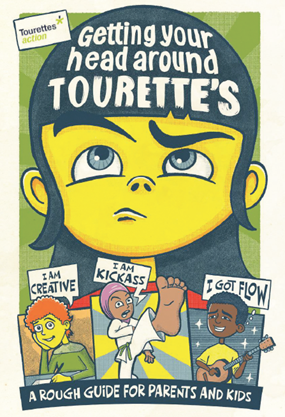
Getting Your Head Around Tourette’s was created with my good friend Greg Whitehead, who has been on his own family health rollercoaster in recent years. We call ourselves KIP, which stands for Knowledge is Power. Because it is.
We’ve created Getting Your Head Around Tourette’s to help children and parents take their first steps into this space with their heads up, not down. To help them recognise and let go of negative emotions like shame, and feel more connected to themselves, rather than less.
What makes Amy such an incredible person is deeply connected to the things about herself that she used to hate and wish away. It’s been a long journey but she is now channelling her identity and her neurodivergence with a pride and compassion that I never imagined possible two decades ago. Her ceramic work now directly draws on the unique feelings, impulses, urges and responses she has, in her own body and in response to the natural world which she feels a profound connection to.
I hope that our book will be useful to anyone who is diagnosed with Tourette’s. I want it to shorten that journey to understanding, accepting and loving yourself fully. It was written to be the smile and calm, positive voice of lived experience that she and her parents didn’t have. We have a daughter who may well be walking this path, so it could be a resource we find ourselves using.
It’s taken a while, but we’ve worked out how to love every inch of life.
I would like to finish by saying a huge thank you to Greg for his brilliant illustrations, to Pippa and Emma from Tourettes Action for their support and patience, to my parents in law, Liz and Colin for their infinite love and support, and most of all Amy for always being fearless, inspiring and – above all – herself.
 Return to blog


